El museo
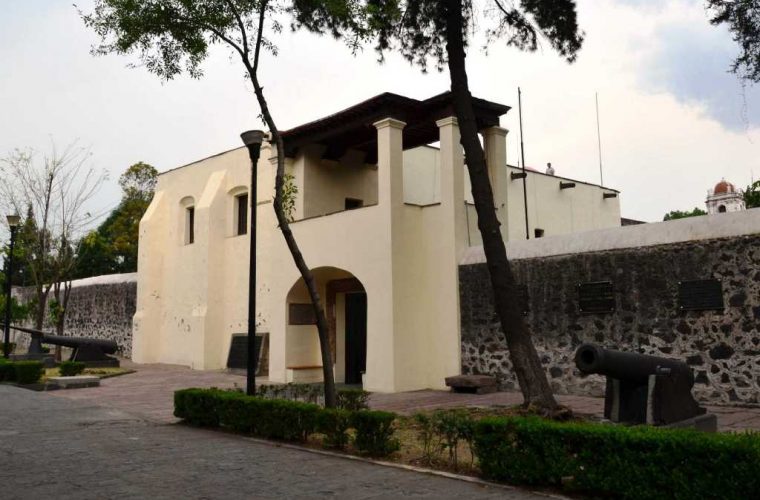
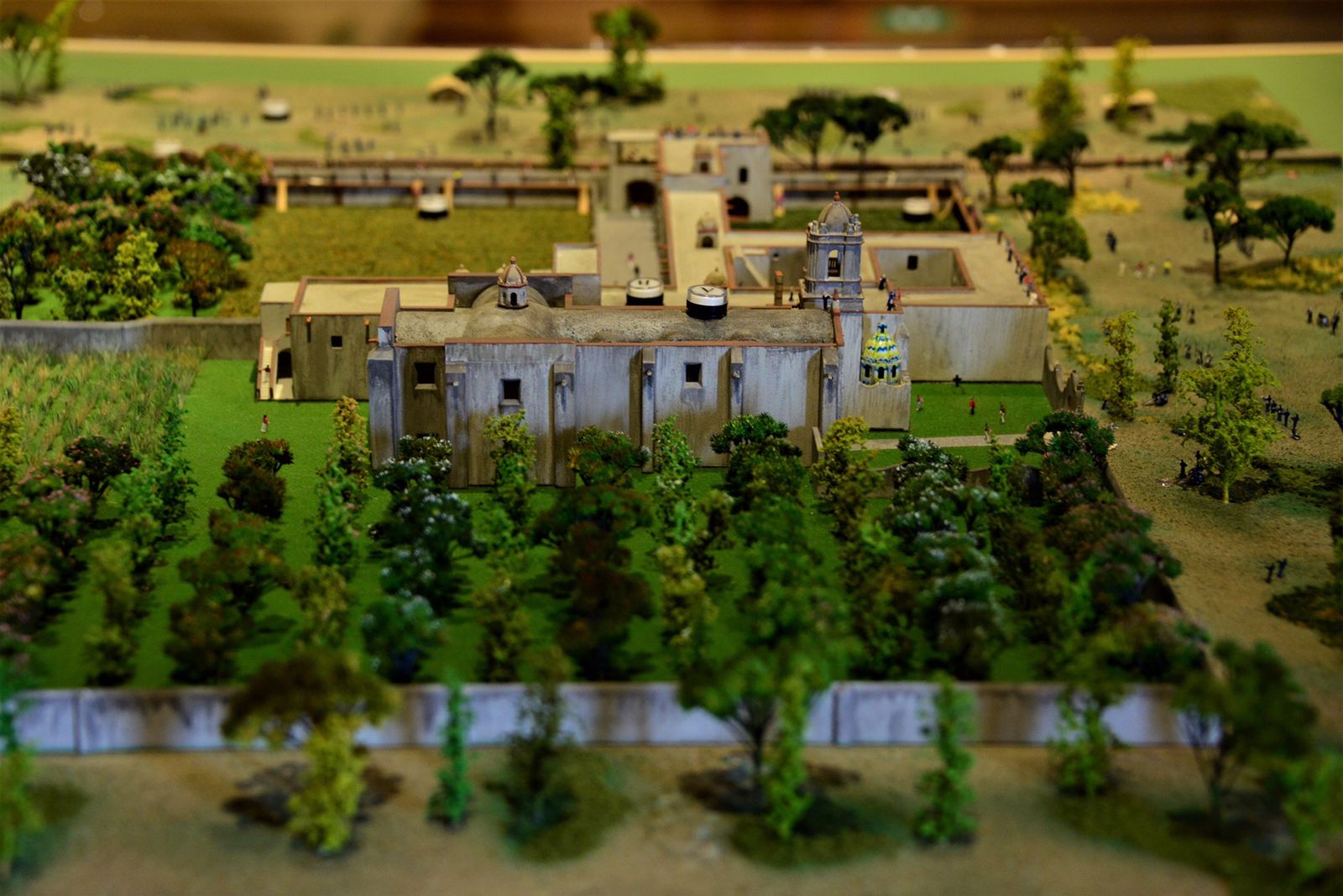
Como museo de sitio, la planta baja nos permite conocer la vida conventual de los frailes que habitaron el edificio durante el periodo colonial. El antiguo convento se encuentra en lo que, antes de la llegada de los españoles, era el señorío de Huitzilopochco.
Fundado alrededor del siglo XII, formaba parte de la confederación de los “cuatro señores” o “Nauhtecutli”, una alianza que también incluía a Colhuacan, Ixtapalapa y Mexicalcingo.
Después de la fundación de Tenochtitlán, el asentamiento fue incorporado al señorío mexica, este, al construir un punto de conexión entre los lagos y la región de Coyoacán, adquirió una posición estratégica que le permitió establecer importantes relaciones comerciales. El espacio donde actualmente se encuentra el Museo Nacional de las Intervenciones era anteriormente la “casa de Huitzilopochtli”.
Después de la Conquista, se construyó un convento franciscano donde los habitantes de la región fueron evangelizados, de este modo, se fundaron la iglesia y la residencia de los religiosos, que recibieron el nombre de San Mateo Huitzilopochco. En 1599, con el establecimiento de la Provincia de San Diego, Churubusco quedó bajo su jurisdicción, llevando a la expansión y consolidación del lugar como el Convento de Santa María de los Ángeles de Churubusco. A mediados del siglo XIX, los frailes fueron obligados a abandonar el lugar, ya que en junio de 1847 fue declarado prisión, cuartel y fortaleza. Dos meses después, el 20 de agosto de 1847, tuvo lugar la batalla que marcaría al antiguo convento en la historia. En 1856, a partir de la Ley de Desamortización de las Corporaciones Civiles y Eclesiásticas establecida por Lerdo de Tejada, el presidente Benito Juárez procedió a nacionalizar el convento en 1861. Entre 1877 y 1904, y nuevamente en 1908, el inmueble fue utilizado como hospital militar para atender enfermedades contagiosas.
Después de la Revolución, el edificio permaneció abandonado hasta el 20 de agosto de 1919, cuando, gracias a los esfuerzos de Jorge Enciso, fue inaugurado como el “Museo de Churubusco”.
El museo también albergó la Escuela Primaria Héroes de Churubusco y, a partir de 1924, la Escuela de Pintura al Aire Libre, una institución dirigida a niñas de clase media y niños de familias de bajos recursos. El 18 de febrero de 1935, el edificio se convirtió oficialmente en el “Museo Histórico de Churubusco”. En 1950, gracias a varias donaciones de carruajes y automóviles antiguos, el museo comenzó a exhibirlos en la planta baja, espacio que pasó a ser conocido como el “Museo de Transportes”. De 1965 hasta la década de 1980, el museo albergó la Escuela Nacional de Restauración y Museografía del INAH (Instituto Nacional de Antropología e Historia). De este modo, desde la década de 1970 hasta la de 1990, el antiguo convento albergó el Museo, la Escuela, la Dirección de Restauración del Patrimonio Cultural y la Dirección de Monumentos Históricos, conjunto conocido como el Complejo Churubusco.
Después de permanecer cerrado durante casi cinco años, gracias a los esfuerzos de Don Gastón García Cantú (quien en ese momento era Director General del INAH), el 13 de septiembre de 1981 se inauguró el Museo Nacional de las Intervenciones, el nombre y su función social, cultural e histórica son los que el antiguo Convento de Churubusco mantiene hasta la actualidad.
Tania Arroyo, researcher
raxi win raxi win BDG Game Yaar win BDG win BDG win Yaar win yaar win Raxi Win BDG win Yaar win game Yaar win Yaar win Yaar win Yaar win Raxi win